


Skip links

ADHD

ADHD is one of the most common neuro-developmental disorders of childhood. It is usually first diagnosed in childhood and often lasts into adulthood. Children with ADHD may have trouble paying attention, controlling impulsive behaviors (may act without thinking about what the result will be), or be overly active. Attention-deficit / hyperactivity disorder (ADHD)

Common symptoms are

The primary symptoms of ADHD include inattention and hyperactive-impulsive behavior. ADHD symptoms start before age 12, and in some children, they're noticeable as early as 3 years of age. ADHD symptoms can be mild, moderate or severe, and they may continue into adulthood.ADHD occurs more often in males than in females, and behaviors can be different in boys and girls.

Some of the
treatments are

Standard treatments for ADHD in children include medications, behavior therapy, counseling and education services. These treatments can relieve many of the symptoms of ADHD, but they don't cure it. It may take some time to determine what works best for your child.

THERAPIES

Some of the therapies may include:

Behavior therapy

Social skills training

Parenting skills training

Psychotherapy

Family therapy

Counseling

SUBTYPES OF SYMPTOMS


There are three Subtypes Of ADHD:

Ongoing Treatment:

If your child is being treated for ADHD, he or she should see the doctor regularly until symptoms have largely improved, and then typically every three to six months if symptoms are stable.
Call the doctor if your child has any medication side effects, such as loss of appetite, trouble sleeping or increased irritability, or if your child’s ADHD symptoms have not shown much improvement with initial treatment.


New medical device

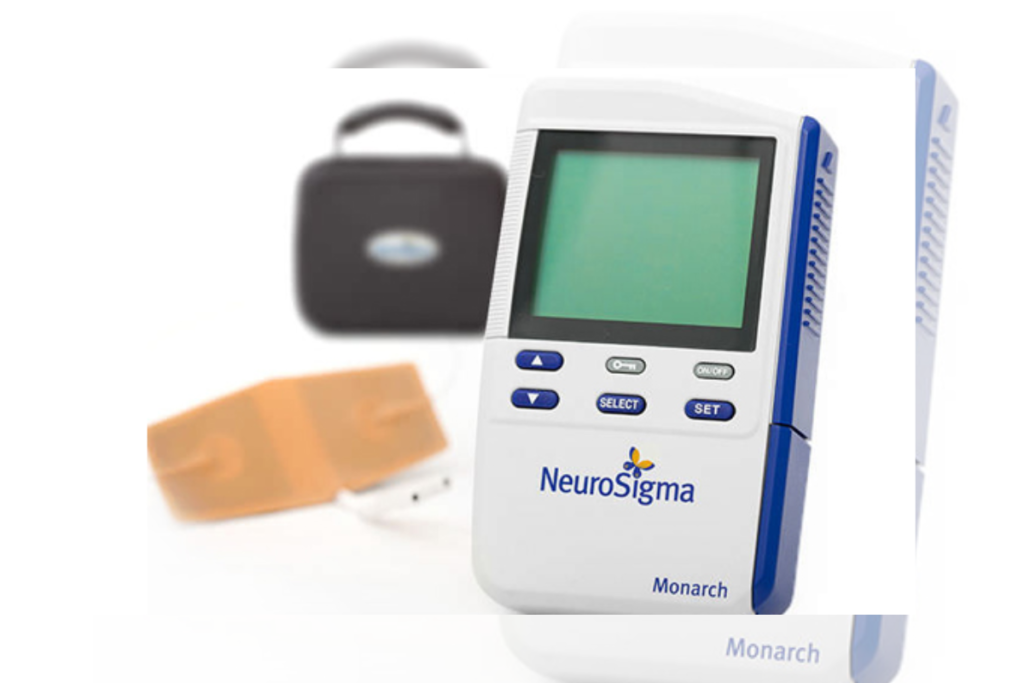
 The Monarch external Trigeminal Nerve Stimulation (eTNS) System.About the size of a cell phone, the eTNS device can be used at home under parental supervision, when the child is sleeping. The device generates low-level electrical stimulation which moves through a wire to a small patch placed on the child’s forehead, sending signals to areas of the brain related to attention, emotion and behavior.